Play

Back in the day, this was all handled manually in Excel – with paper forms, digital camera photos, and endless file uploads. If the customer service rep was lucky, they’d eventually find the right parcel in a spreadsheet. If not… well, that package’s fate was sealed.

That’s when DPD decided it was time for a better, scalable, and internationally adaptable solution. They partnered up with Virgo, and the result was Lost & Found — a fully digital system that not only streamlined the process but boosted the success rate of recovered parcels to 90%.

Lost & Found in Action

In the new system, every unidentified parcel is logged and processed digitally — with photos, metadata, and automated tracking.

When a customer calls, the service team can instantly access the database, while couriers or hub workers upload photos of the package. Image recognition algorithms read the labels and automatically match them to the customer’s reported issue. At the end of the workflow, all reports are generated automatically – up-to-date, accurate, and fully digital.

What used to be a time-consuming manual hunt is now a transparent, searchable, and automated process.

Data is easy to track, photos are organized, and reporting is just a click away. The result? Faster, smoother, and far more reliable case handling.

Virgo’s Role – Agile Minds, Smart Solutions

The challenge? Deliver a working product in record time – in a fast-changing business environment. Virgo’s strength was its ability to quickly assemble an agile, senior-level development team led by a Scrum Master, ready to adapt to shifting priorities on the go.

To make it work, Virgo restructured internal resources to build the perfect team for DPD.

From UX/UI design to front-end, back-end, and system integration – Virgo covered the full spectrum. This wasn’t about “selling people”; it was about building a true partnership that would create long-term value.

DPD had a clear business need, and they chose Virgo for the integration work. We had to pull together a team of senior experts who wouldn’t panic when business priorities shifted mid-project. It took some careful organization, but the result speaks for itself.
Gábor Tarnavölgyi Managing Director, Virgo

How Virgo Became Part of DPD’s Workflow

One key aspect of the Lost & Found project was that Virgo didn’t just deliver a product – it provided development capacity. A complete team, with a Scrum Master at the helm, fully embedded into DPD’s internal operations.

This meant DPD didn’t have to waste time recruiting or onboarding – experienced developers jumped in and started producing results from day one. For Virgo, this wasn’t simple “resource lending.” These were dedicated professionals still rooted in Virgo’s supportive environment, motivated and aligned with the project vision.

The outcome? An integrated team model that allowed quick responses, agile decision-making, and a truly seamless collaboration. DPD’s requirement was clear: integrate external services into internal systems. Virgo’s job was to make it happen – fast, effectively, and at top technical quality.

Some companies just sell people. Virgo gave us colleagues who internalized the project’s vision. That’s a massive difference.
DPD Team Member

Challenges & Solutions

DPD’s biggest headache was the manual, Excel-based workflow – slow, error-prone, and impossible to scale internationally. They needed a digital system where lost parcels could be tracked across borders, with minimal human error and maximum efficiency.

Virgo built an integrated platform that combined photo-based data entry, text recognition, and automated reporting. The result: faster, more accurate, and far more transparent operations.
Customer service agents can now locate problematic parcels in seconds, while reports generate automatically – clean and error-free.

What Virgo Delivered

Virgo’s contribution covered everything from concept to launch.

  • The front-end design focused on intuitive, easy-to-use interfaces for customer service and operations teams.
  • The back-end provided a solid, secure, and scalable foundation for data handling and integrations.
  • And the Scrum Master ensured the entire development stayed agile, transparent, and on time.

Scrum Master Bea Őry also played a key role in stakeholder education – helping business-side partners understand agile principles in practice. Many admitted they learned a lot from the collaboration, and the regular sprint reviews gave them the visibility and predictability they needed.

The UX/UI design started with real user needs, ensuring the system was not just functional but comfortable and logical in daily use.

And when the project wrapped, Virgo stayed on board for maintenance and operation, ensuring long-term sustainability.

Deliverables

DPD received a modern, multi-layered system that delivered tangible business value. The responsive front-end enables fast, efficient work, while the back-end provides a secure backbone for data management and reporting. The design documentation ensures the platform remains scalable and user-centered for years to come.

Behind the scenes, robust infrastructure keeps the system reliable, always on, and ready to grow.

Results

The biggest win?

90% of lost parcels now find their way home.

The old, error-prone manual processes were replaced with a sleek, automated digital system – saving time, reducing mistakes, and improving customer satisfaction across the board.

Customer service runs smoother, cross-border scalability is now reality, and the partnership between Virgo and DPD evolved into a strategic long-term collaboration, not just a one-off project.

I wouldn’t say it was carefree, but it was definitely an enjoyable journey into a world full of new challenges.
Virgo Developer

Key Takeaways

The Lost & Found project offers lessons for any organization. Manual, temporary solutions like Excel can only take you so far. At a certain scale, they simply can’t keep up. If a company hesitates to change, errors multiply and customer satisfaction plummets.

Agility wasn’t just a buzzword here – it was the key to success. Without fast adaptation to changing needs, the project would never have launched on time. Equally crucial was user experience: the system became truly valuable because people love using it.

Automation was another game-changer – freeing up time, reducing errors, and giving everyone more confidence in the process.

And perhaps the most important lesson: partnership.
Virgo wasn’t just a supplier; it was a strategic ally invested in DPD’s long-term success.
Both sides walked away richer in experience, knowledge, and trust – paving the way for future collaborations.

Beyond the great relationship we’ve built, these projects are also seriously challenging and technically exciting – high-standard, even a bit sexy, I’d say.
Gábor Tarnavölgyi Managing Director, Virgo

Our work

Services
  • Front-end Development
  • Back-end Development
  • UX/UI Design
  • Project Management
  • Business Analysis
  • Maintenance and Operations
Deliverables
  • Front-end
  • Back-end
  • Design
  • Maintenance and Operations
Play

EÉR Development with Virgo’s Contribution

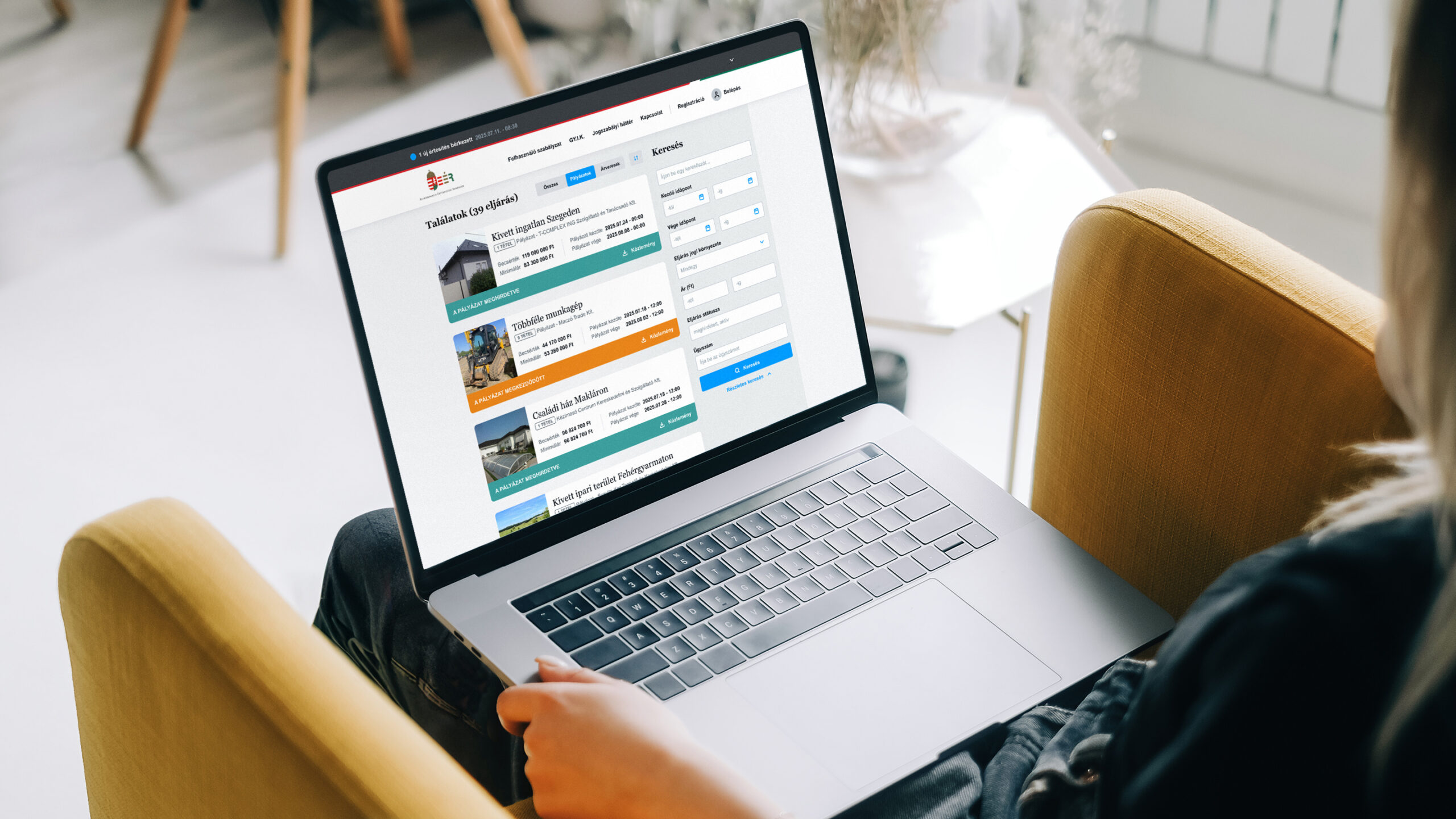
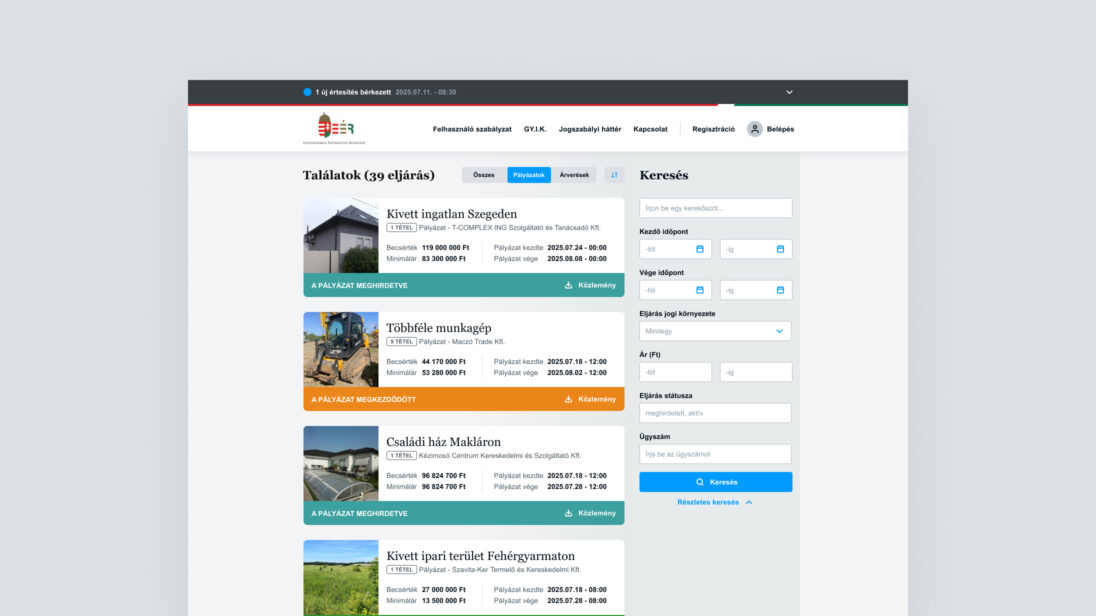
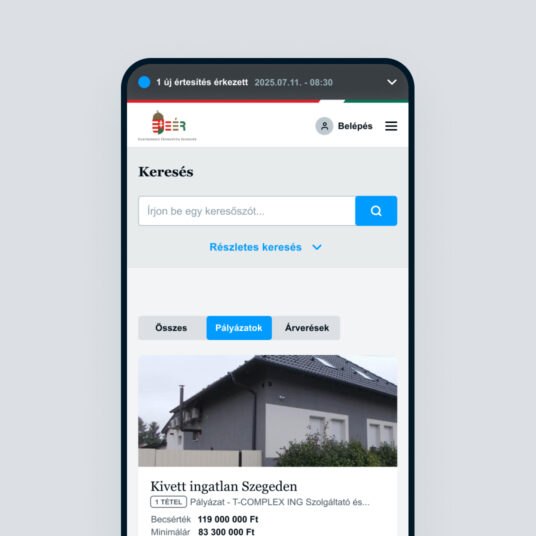
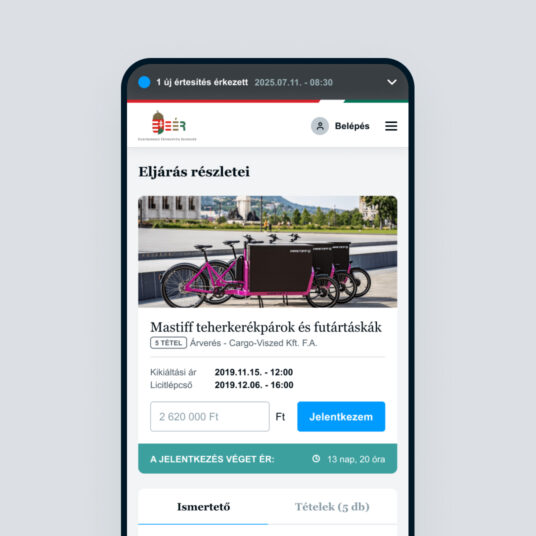
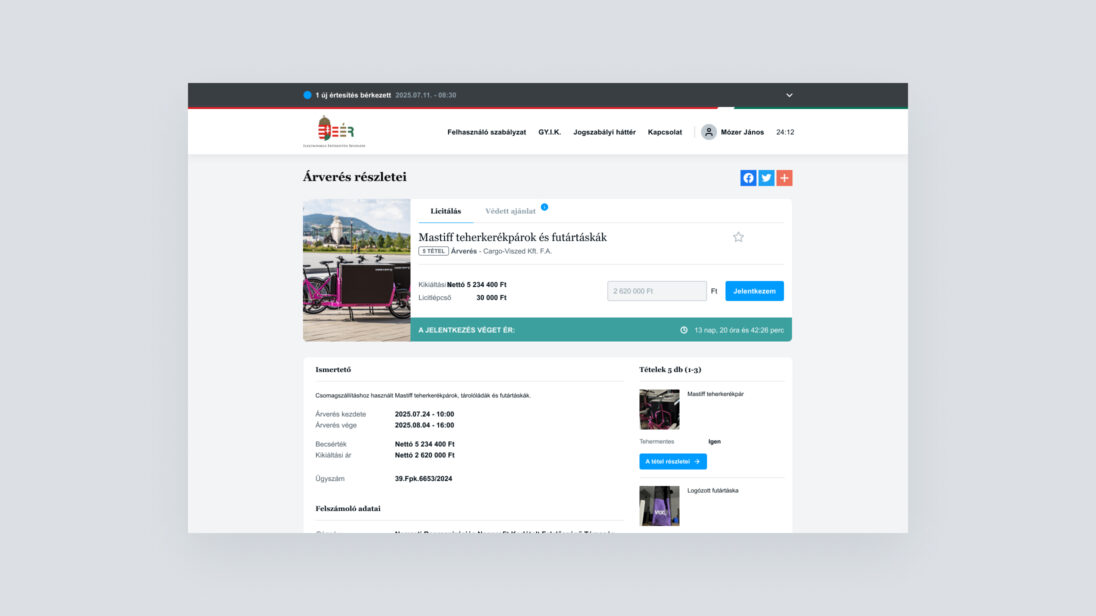
The Electronic Sales System (EÉR) is an online platform where the assets of companies under liquidation proceedings and non-profit organizations in Hungary are sold publicly. Sales take place via public tender or auction, announced by the liquidator or administrator responsible for the process.

In electronic sales, bidders (participants in tenders or auctions) may join personally, via a legal representative, or through an authorized agent. While anyone can view the EÉR platform, bidding (submitting tenders) is only possible after prior registration.

Virgo delivered the application in 2014, and it has been live since January 1, 2015. Since then, we have continuously supported the portal both operationally and at the application level.

The system was designed for integration with multiple external platforms, including payment and invoicing systems, the company registry, and the Liquidator Registry System (FNYR), which we also developed to assist the authority’s administrative work.

In recent years, we have carried out several modernization projects: replacing the old Vaadin frontend framework with Angular, and introducing a container-based platform for automated deployment, scaling, and management.

A System Almost Everyone at Virgo Has Worked On

Due to its complexity, Virgo’s teams have been widely involved in the EÉR project. Version updates and continuous system monitoring are supported in full by our Operations (OAM) team.

Keeping the application up to date and meeting new requirements requires close collaboration between Back-end and Front-end developers, with designers also playing an active role in software planning. Our QA team ensures quality through testing new features and comprehensive regression tests before releases.

The entire workflow – from receiving client requirements to going live – is coordinated daily by our Project Managers.

Since the project began in 2014, Virgo has continuously carried out these tasks, meaning around 40–50 colleagues have left their mark on the product. We can safely say there are two types of people at Virgo: those who have already worked on EÉR, and those who eventually will!
László Deák Java Developer

Design and Development Process

 1. Research & Analysis

Due to the short deadlines, there was no time for lengthy research. Instead, we co-created the application design with the client, working almost side by side, just two weeks ahead of the development team. We used A3 sheets and colored markers, focusing not on standard diagrams but on shared understanding.
Bence Laczkovich CEO, Owner

A single drawing often contained both workflow steps and screen sketches, showing what data had to be collected at each step. These hand-drawn sketches became the basis for user stories for the two Scrum development teams.

2. UX Design

EÉR consists of three distinct interfaces:

  • The public interface, where anyone can browse and, after registration, bid or submit tenders.
  • The liquidator interface, where liquidators enter, evaluate, and manage cases.
  • The admin interface, where government officials configure the system, view statistics, and handle customer complaints.

Since these serve very different user groups, we tailored our approach for each: on the public site, we drew inspiration from familiar platforms – webshops and auction sites – while complying with all regulations.

On the liquidator site, we realized that instead of designing a “wizard-style” solution, it was more effective to replicate the well-known paper and Word form templates liquidators had been using for years, enhanced with digital conveniences.
Krisztián Zachar COO

This worked so well that one of the first user requests after launch was to allow exporting procedures in PDF format. Users preferred generating official documents for the Hungarian Official Gazette (Magyar Közlöny) directly from EÉR rather than their old text editor workflow.

3. Frontend Development

The two user-facing areas called for different technology choices – especially given the tight timeline.

For the public interface, we opted for a modern frontend stack: Node.js with Vue.js, ensuring a trendy, designer-friendly solution. This not only supported cutting-edge design but also motivated developers with a better Developer Experience, which was crucial under time pressure. We were among the first to deliver a Node.js-based solution in the Hungarian public sector – the initial audit was particularly challenging, but thanks to detailed documentation and cooperation with the operations team, we passed successfully.

For the liquidator and admin interfaces, functionality was the top priority. We used Vaadin, enabling back-end developers to deliver working UIs directly, which we then polished with minimal site-building work. Designers tailored the visuals to fit within Vaadin’s constraints, achieving cost-efficient yet user-friendly interfaces.

Over the years, the system has been modernized, and we gradually migrated everything to a unified Angular frontend.

4. Back-end Development

EÉR was originally built (2014) on the Java EE stack, then considered the enterprise standard.

For the public frontend, we provided an API that was handled by a Node.js middleware layer, which offered performance optimizations and convenience features for frontend developers.

For the liquidator and admin sides, we relied on Vaadin-based UIs, as mentioned above.

Results and Outcomes

The EÉR project successfully delivered a nationwide, regulation-compliant online marketplace, which since 2015 has reliably supported the sale of assets in liquidation procedures.

Virgo not only built the initial system but has been operating and continuously improving it ever since. The modernization steps – such as introducing Angular and containerized deployment – ensured scalability and long-term sustainability.

The system’s stable operation and continuous extensibility are clear proof of the project’s success and the client’s satisfaction.

Our work

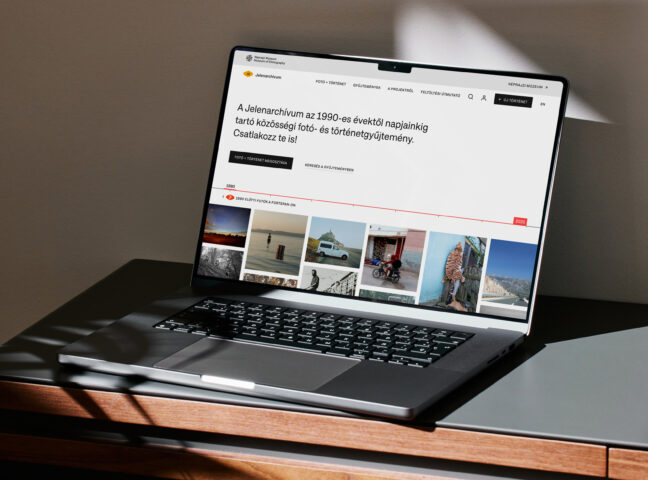
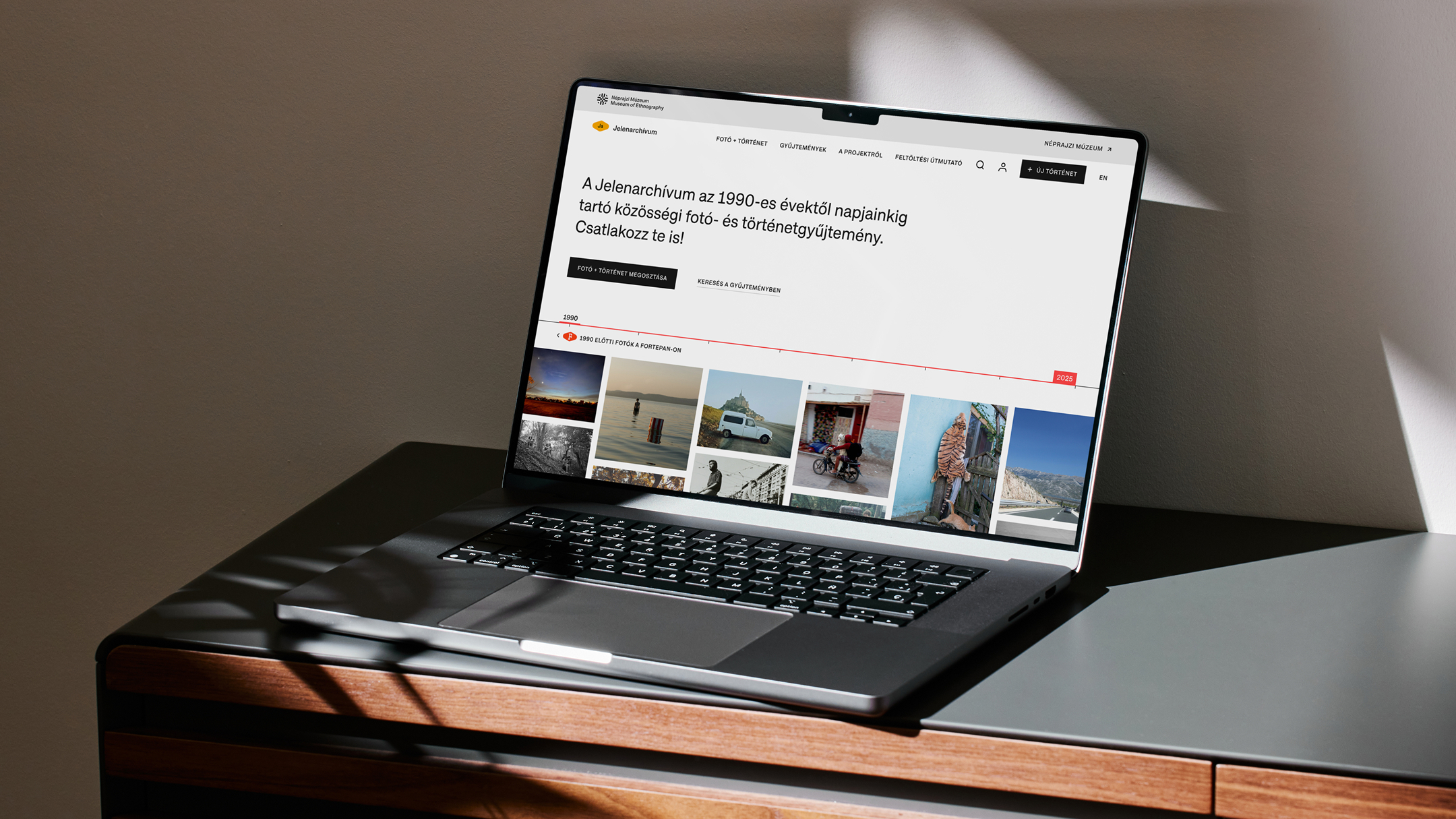
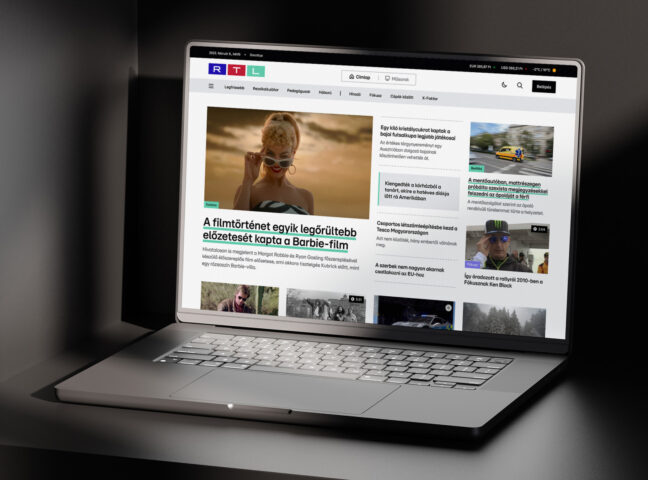
A laptop displaying the Jelenarchívum website
Services
  • Research
  • UX Design
  • UI Design
  • Design System
  • Development
  • Project management
Delivery
  • Responsive Design
  • Design System
  • Front-end development
  • Back-end development
  • CMS
Team

Project Goals

The Museum of Ethnography approached us with the goal of designing the digital interface for Jelenarchívum. The project, developed within the the MaDok program, focuses on collecting, organizing, and preserving photographs and personal stories from recent decades – from the 1990s to the present day. The archive allows the museum to document contemporary photographic practices while also expanding its modern-day collections.

What makes the archive unique is its emphasis on mapping the connection between images and the personal narratives behind them. Rather than focusing solely on visuals, it highlights storytelling as a key component. Through thematic collection campaigns, users are invited to contribute their own photos and related stories, becoming part of a living, community-driven archive. Our goal was to create a user experience that not only encourages photo and story submissions but also enables visitors to explore and engage with existing content in a meaningful way.

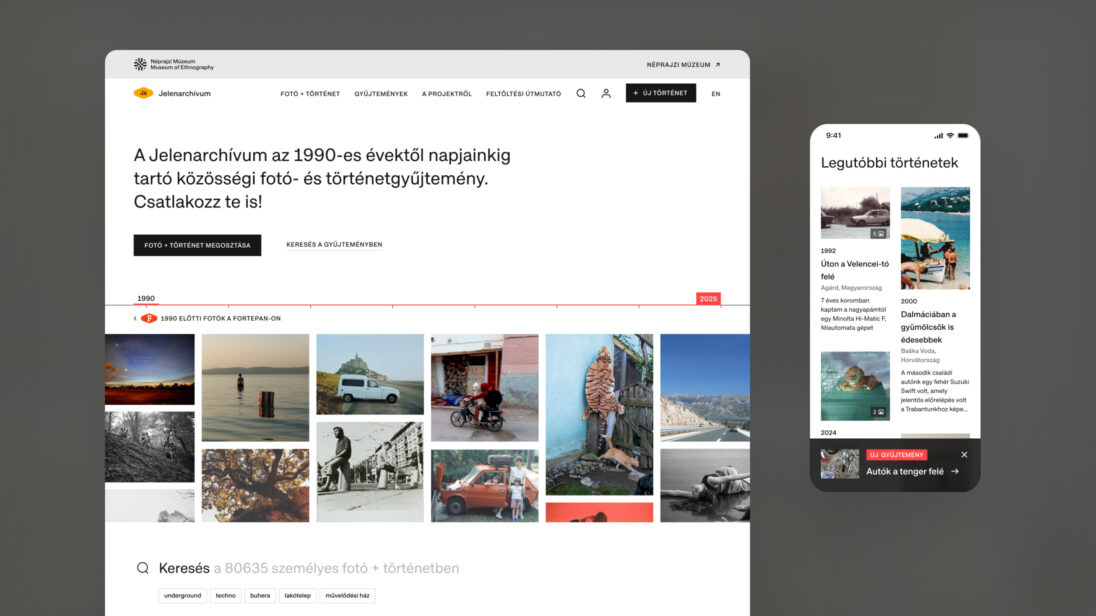
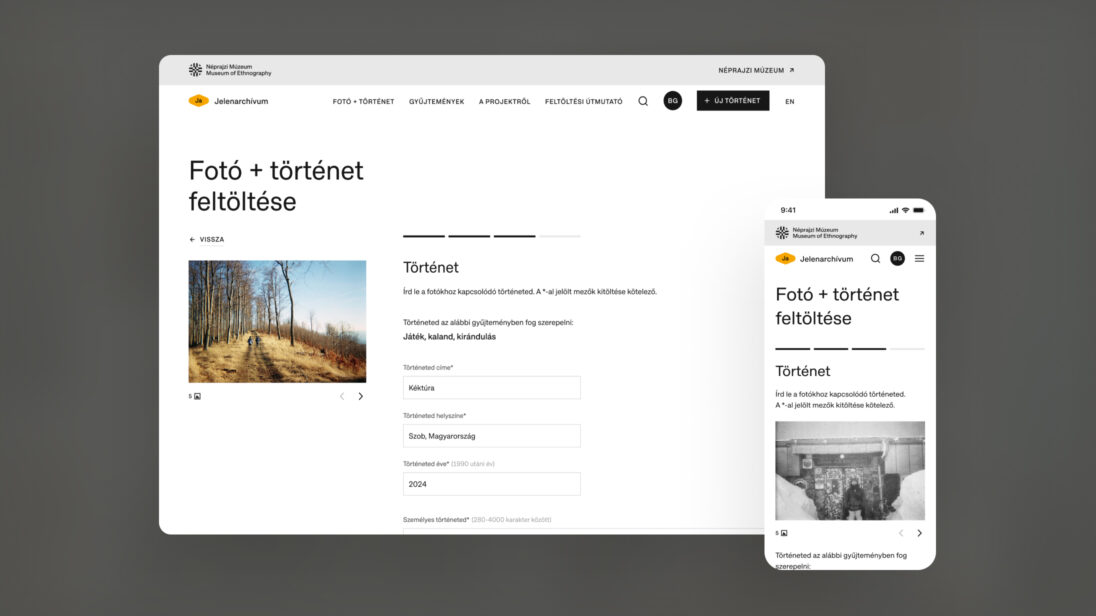
Jelenarchívum website shown on desktop and mobile

Challenges

One of the key challenges was to reflect the museum’s open, community-focused approach in the platform design while ensuring broad accessibility for diverse audiences.

Jelenarchívum was developed in collaboration with Fortepan – a public-domain photo archive documenting life in Hungary up to the 1990s. This partnership required us to ensure temporal and thematic continuity between the two archives.

Since the platform is built around recurring thematic campaigns, it was crucial to develop a long-term, flexible architecture. We needed to design a technical and content framework capable of supporting the collection of visual and narrative material across multiple research topics – without requiring a structural overhaul for each new theme.

Simplifying and supporting the upload process was also a key design priority. At the same time, we had to ensure that submissions met archival quality standards. Given the diverse nature of user-generated content – varying in resolution, aspect ratio, and image quality – the platform needed to be adaptable. The same applied to the variety in story formats and text lengths.

Legal considerations around copyright and user rights were also central. We needed to embed these requirements into the upload flow in a way that felt seamless and user-friendly, while remaining clear and transparent. Additionally, we had to account for numerous real-world user scenarios – such as interrupted uploads, draft saving, story length limitations, and ensuring long-form texts remained readable on both mobile and desktop devices.

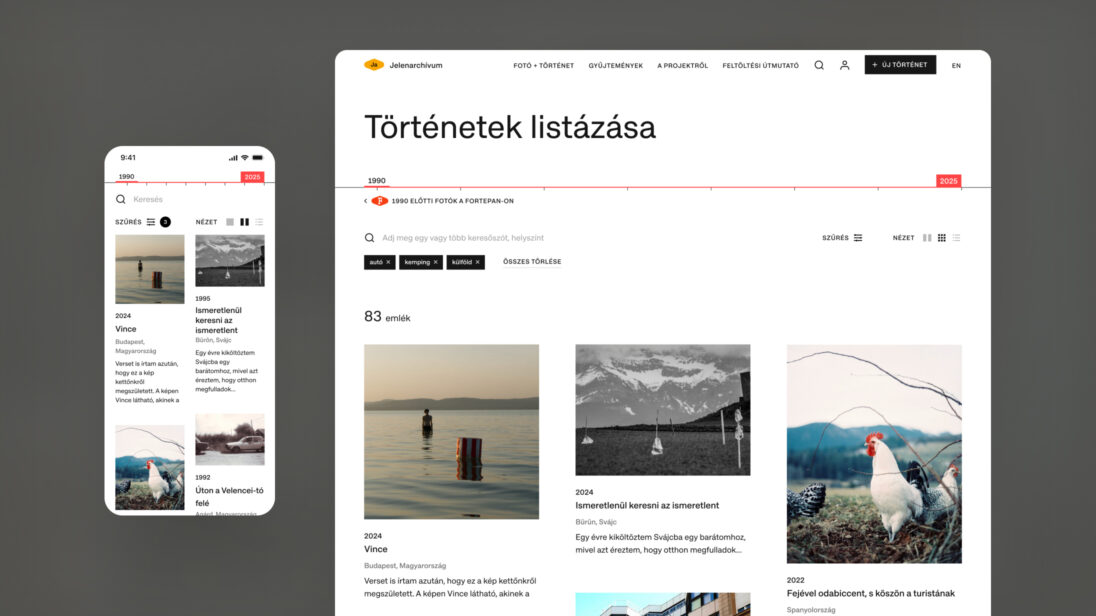
Stories listing page on desktop and mobile.
Jelenarchívum website's story listing page is displayed on desktop and mobile

Design and Development Process

1. Research & Analysis

To lay a strong foundation, we began with stakeholder interviews to understand the needs and expectations of both museum staff and potential contributors. We also conducted a benchmark analysis of similar national and international platforms specializing in community storytelling and photo archiving. These insights helped shape our design strategy and inform UX decisions.

2. UX / UI Design

Our UX work focused on designing intuitive flows that would support both user-generated content and content discovery. Key features included:
A guided registration and login process

  • Flexible filtering and search functionality
  • A multi-step photo and story submission flow
    The upload process was divided into clear, easy-to-follow steps, allowing users to save drafts, return later, and enter metadata essential for archiving.
    Listing and detail pages for submitted content
  • Browsing and navigation with Fortepan connection
    We created a unified timeline component to connect Fortepan and Jelenarchívum entries, allowing users to filter and explore content by year.
  • Thematic collection pages
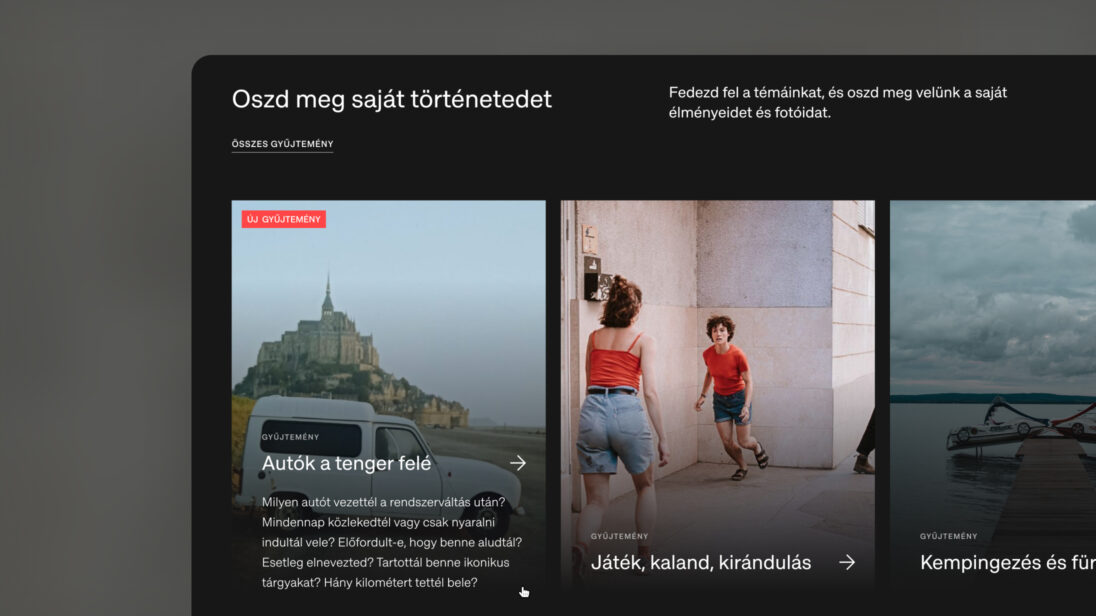
    These dedicated campaign pages present the context of each collection and encourage user participation. They also support supplementary content like sample submissions, background material, and related events.
  • A logged-in user dashboard
    This interface allows users to track the status of their uploaded photos and stories (e.g., draft, under review, published) and gives them the option to edit or update their content after submission.

3. Visual Design & Design System

We designed the visual interface to align with the Museum of Ethnography’s digital identity. The design system ensures a consistent look and feel across components and devices, reinforcing user trust and institutional credibility.

4. Development

We built the entire Jelenarchívum platform on Craft CMS. Based on the design plans, we created the necessary content types and field structures, and we set up an admin interface that is clear and easy to use for the museum’s team. The core features – user registration, login, photo and story submission, editing, and publishing – were all implemented as custom modules. This allowed us to tailor the system exactly to the project’s needs.

One of the biggest challenges was developing the multi-step publishing workflow. Users can first save their stories and photos as drafts, then submit them for approval. Administrators review these submissions on a dedicated interface and decide whether to publish them. We created custom backend logic to handle this process.

On the frontend, we used Tailwind CSS and vanilla JavaScript. For more complex features – such as search, filtering of results, and the entire submission flow – we built Vue.js components. The design system was well-structured, which made it easy to implement using Tailwind utility classes. Throughout development, we ensured the site met WCAG AA accessibility standards.

Development followed an iterative process. Once we had a working version, we held internal reviews and demos with the design team before presenting anything to the client. This helped us deliver thoughtful, high-quality solutions every time.

The result is a sustainable and scalable platform that supports both individual storytelling and the museum’s long-term archival and research goals.

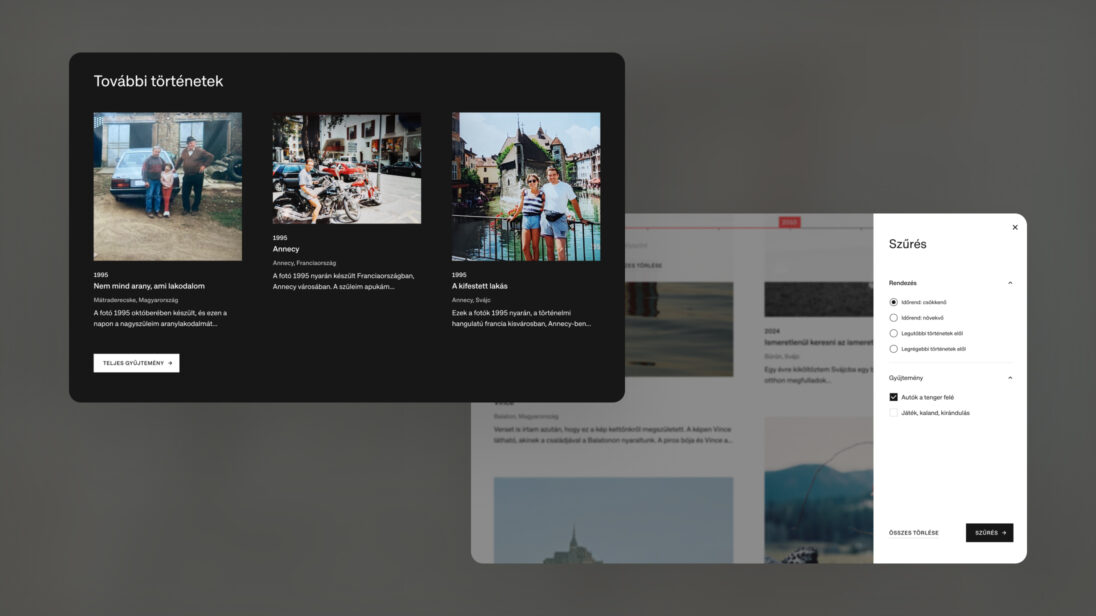
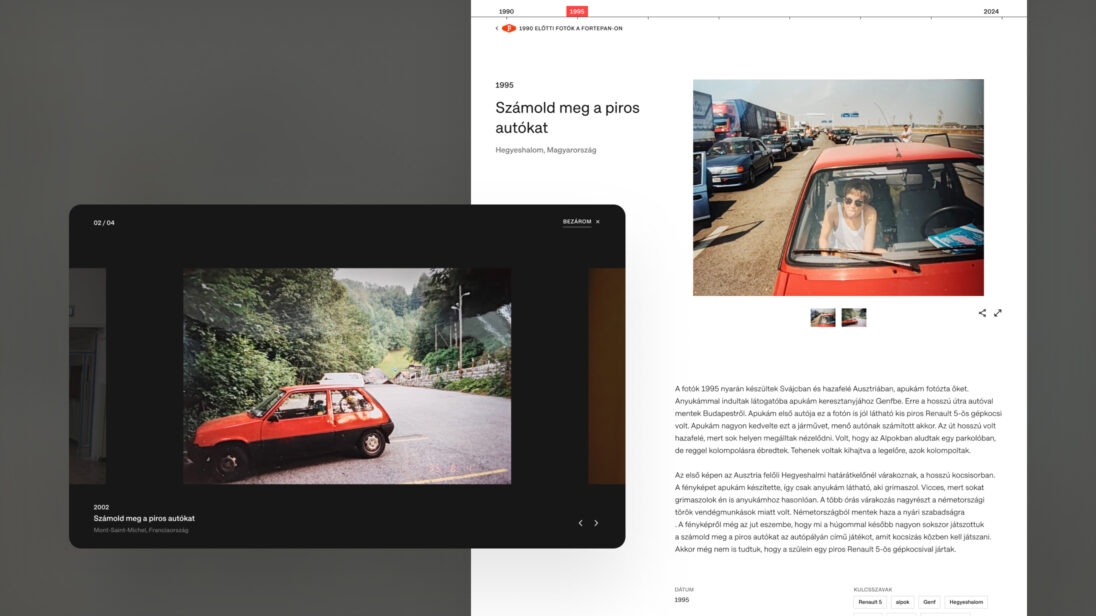
A Jelenarchívum story page displays photos of red cars and a personal story from 1995.
A section of the Jelenarchívum website
Jelenarchívum upload page shown on desktop and mobile screens.

Results and Outcomes

The Jelenarchívum platform launched successfully and quickly generated strong community engagement. Within the first months, two thematic campaigns were already live, and users had submitted over 140 photographs and personal stories.

The success of the project was grounded in the close collaboration with the Museum of Ethnography, which remained actively involved from the initial concept phase through to implementation. The museum’s professional background and the design and development team’s digital expertise complemented each other well throughout the process.

In line with the platform’s long-term goals, planning for further functional development is ongoing. These future improvements aim to better support content collection, encourage user engagement, and serve research and archiving needs more effectively.

Our work